Scratch Resistance Test: Ceramic Coating vs. Vinyl Wraps in Maitland in Ceramic Coating Maitland, FL
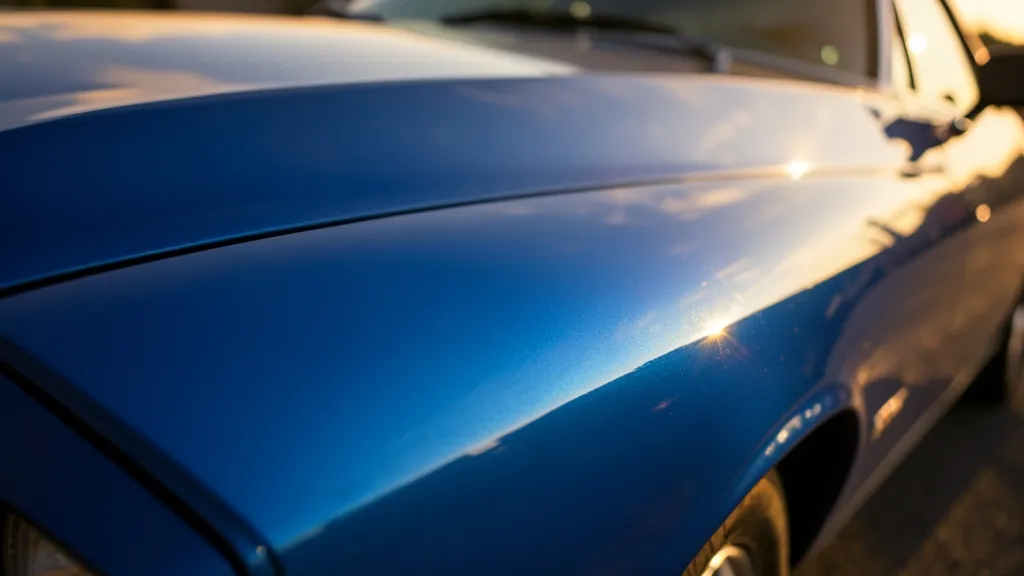
Maitland drivers know our roads can be tough on finishes—sand, sun, and stray debris take a toll. When it comes to scratch resistance, ceramic coatings and vinyl wraps serve different purposes, and the right choice depends on your priorities. We break down the real-world differences so you can protect your ride with confidence.
Why Scratch Resistance Matters in Central Florida
Maitland’s mix of sunny days and sudden rain means your vehicle’s finish faces constant threats. UV rays fade paint, while sand and road grit cause micro-scratches that dull the surface over time.
A protective layer—whether ceramic coating or vinyl wrap—acts as a barrier. But not all protection is equal when it comes to resisting scratches, swirl marks, and environmental damage.
How Ceramic Coatings Protect Against Scratches
Ceramic coatings bond chemically with your vehicle’s clear coat, forming a rigid, glass-like layer. This nano-ceramic shield is highly resistant to light scratches, bird droppings, and chemical stains.
The hardness rating (measured in pencils, often 9H or higher) means it resists fine abrasions better than standard clear coats. However, deep scratches from keys or heavy debris can still penetrate.
A 9H ceramic coating repels light scratches but won’t stop a key or sharp object. For maximum protection, pair it with Paint Protection Film (PPF) on high-impact areas.
Vinyl Wraps: Flexible but Vulnerable
Vinyl wraps provide a thick, flexible layer that can absorb minor impacts without cracking. This makes them great for hiding existing scratches or changing your car’s color.
However, vinyl is softer than ceramic coatings. Fine scratches, swirl marks, and even aggressive car washes can mar the surface. Most wraps lack self-healing properties unless you opt for premium films.
Ceramic Coating vs. Vinyl Wrap: Head-to-Head Comparison
Both options offer protection, but their strengths differ. Ceramic coatings excel in durability and resistance to environmental contaminants, while vinyl wraps offer design flexibility and a renewable surface.
For Maitland’s climate, ceramic coatings also provide superior UV resistance, which helps prevent paint oxidation—a common issue in our sunny, humid environment.
| Feature | Ceramic Coating | Vinyl Wrap |
|---|---|---|
| Scratch Resistance (Light) | High (9H+ hardness) | Moderate (prone to fine swirls) |
| Deep Scratch Protection | Limited (can be penetrate by sharp objects) | Moderate (thicker layer absorbs some impacts) |
| UV Resistance | Excellent (prevents oxidation) | Good (varies by film quality) |
| Self-Healing | No (unless combined with PPF) | Yes (premium films only) |
| Longevity | 2-5+ years (with proper care) | 3-7 years (depends on maintenance) |
| Maintenance | Low (hydrophobic, easy to clean) | Moderate (requires gentle washing) |
| Aesthetic Flexibility | Enhances gloss, no color change | Full color/finish customization |
Real-World Testing: What Happens in Maitland?
We’ve seen both solutions in action on local roads. Ceramic-coated vehicles in Winter Park and Altamonte Springs hold up better against sand and road debris, maintaining a high-gloss finish with minimal swirls.
Vinyl-wrapped cars in Eatonville or Casselberry often show fine scratches sooner, especially if washed with automatic brushes. However, wraps can be partially replaced if damaged, while ceramic coatings require reapplication.
Both ceramic coatings and vinyl wraps can be damaged by harsh brushes. Always opt for touchless washes or hand-washing to preserve your investment.
Complementary Protection: The Best of Both Worlds
For ultimate defense, many Maitland drivers combine ceramic coatings with Paint Protection Film (PPF). PPF handles deep scratches and rock chips, while the ceramic coating adds hydrophobic properties and UV protection.
This hybrid approach is popular for luxury and high-end vehicles in Fern Park and surrounding areas. It’s also ideal for fleet vehicles that see heavy daily use.
Maintenance Tips to Extend Scratch Resistance
Ceramic coatings require minimal upkeep but benefit from regular washing with pH-neutral soap. Avoid wax or silicone-based products, as they can leave residues that dull the finish.
Vinyl wraps need gentle care: use a microfiber cloth, avoid pressure washers at close range, and apply a vinyl-safe detail spray to maintain gloss. For both, immediate cleanup of bird droppings or tree sap prevents staining.
Post-Installation Care Checklist
- Wash vehicle within 1-2 weeks of application (ceramic coatings need time to cure)
- Use only pH-neutral car shampoos
- Dry with a clean microfiber towel to prevent water spots
- Avoid parking under trees to minimize sap and bird droppings
- Reapply ceramic coating booster spray every 6-12 months (if applicable)
How to Test Scratch Resistance on Your Vehicle
Curious how your current protection holds up? Here’s a safe way to check.
- 1Clean the Surface
Wash and dry a small, inconspicuous area (like the lower door panel) to remove dirt or contaminants that could skew results.
- 2Use a Plastic Card
Gently drag the edge of a plastic card (e.g., credit card) across the surface. Light pressure mimics minor scratches from debris.
- 3Inspect for Marks
Check for visible scratches under direct light. Ceramic coatings should show no marks; vinyl may show fine lines.
- 4Test with a Pencil
For ceramic coatings, a 9H pencil (available at art stores) should not scratch the surface. If it does, the coating may be compromised.
- 5Compare to Unprotected Areas
Test an unprotected section (e.g., inside the door jamb) to see the difference. This highlights the coating or wrap’s effectiveness.
Frequently Asked Questions
Does ceramic coating prevent all scratches in Maitland?
No. Ceramic coatings resist light scratches and swirl marks but won’t stop deep scratches from keys, rocks, or heavy debris. For full protection, consider adding Paint Protection Film (PPF) to high-impact areas like the hood and bumper.
Can vinyl wraps be ceramic coated?
Yes, but it’s not common. Applying a ceramic coating over a vinyl wrap can enhance gloss and hydrophobic properties, but it won’t significantly improve scratch resistance. The ceramic coating bonds to the vinyl, not the paint, so durability may be reduced.
How long does ceramic coating last in Maitland’s climate?
With proper care, a professional-grade ceramic coating typically lasts 2-5 years in Central Florida. Our intense UV exposure and humidity can shorten this lifespan slightly, so regular maintenance and reapplication of booster sprays can help extend it.
Is vinyl wrap or ceramic coating better for hiding existing scratches?
Vinyl wraps are the better choice for hiding existing scratches, as they completely cover the paint. Ceramic coatings enhance the existing finish but won’t conceal imperfections—those should be addressed with paint correction first.
What’s the best option for fleet vehicles in Ceramic Coating Maitland?
For fleet vehicles, we recommend a combination of Paint Protection Film (PPF) on high-impact areas and a ceramic coating for the rest of the vehicle. This balances scratch resistance, durability, and ease of maintenance for frequent use.
Can I apply ceramic coating over a vinyl wrap myself?
We don’t recommend DIY application. Ceramic coatings require precise surface prep and application to bond properly. On vinyl, improper application can lead to peeling or uneven protection. Always consult a professional for the best results.