Why Your Ceramic Coating Is Peeling Early and How to Fix It in Ceramic Coating Maitland
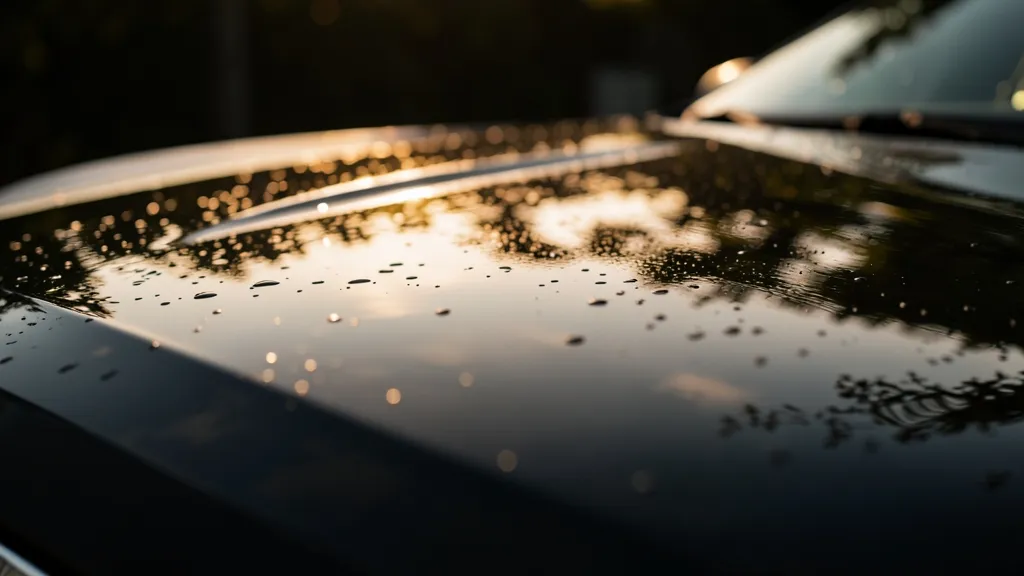
Nothing’s more frustrating than watching a fresh ceramic coating peel or flake months after application. In Central Florida’s heat and humidity, even small prep or application mistakes can ruin durability. We’ve seen it all—and we’ll show you how to avoid it.
The Root Cause: Poor Surface Prep
90% of premature peeling traces back to inadequate prep. Ceramic coatings bond at a molecular level—any contaminants, oils, or old wax create a barrier that prevents adhesion.
In Maitland’s dusty springs, pollen and brake dust settle fast. If not removed with a clay bar and iron remover, the coating will lift. Even fingerprints or polish residues can sabotage the bond.
A water-washed surface isn’t clean. Use a pH-neutral shampoo, clay treatment, and iron remover to strip embedded contaminants before coating.
Paint Correction Is Non-Negotiable
Ceramic coatings amplify imperfections. If swirls, scratches, or oxidation exist, they’ll be locked under the coating forever—and uneven surfaces reduce adhesion.
We always perform a full paint correction and polishing stage for Winter Park and Altamonte Springs clients. A perfectly smooth, defect-free base ensures the coating cures evenly and lasts.
Choosing the Wrong Coating for Florida’s Climate
Not all ceramic coatings are built for Maitland’s UV index and humidity. Consumer-grade, single-layer coatings often lack the cross-linking density to resist thermal expansion and moisture.
Professional-grade, multi-stage coatings (like those we apply in Eatonville and Casselberry) use nano-ceramic polymers that cure harder and repel water more effectively, even in daily downpours.
| Type | Durability | UV Resistance | Hydrophobicity | Best For |
|---|---|---|---|---|
| Consumer Single-Stage | 1-2 years | Moderate | Good | DIY budgets |
| Pro Single-Stage | 2-3 years | High | Very Good | Daily drivers |
| Pro Multi-Stage | 5-7+ years | Extreme | Excellent | Luxury/Fleet vehicles |
| Hybrid (SiO2 + PPF) | 7-10+ years | Extreme | Excellent | Full-Vehicle Protection |
Application Errors That Lead to Peeling
Applying too much product causes uneven curing and weak spots. Thin, even layers are critical—especially on vertical panels where gravity can pull excess coating downward.
Timing matters too. If layers aren’t allowed to flash (partially dry) between coats, the bond fails. In Fern Park’s high humidity, we extend flash times to prevent moisture interference.
Avoid applying coatings in direct sun or high humidity. Use a clean, shaded garage or professional bay to control temperature and airflow.
Curing: The Most Overlooked Step
Many assume the job is done once the coating is on. But ceramic coatings need 24–48 hours to begin cross-linking, and full curing can take up to 30 days.
During this period, the car must stay dry and away from contaminants. Even a light rain in Maitland can wash away uncured layers, leading to patchy peeling.
Environmental Threats in Central Florida
Maitland’s climate is tough on coatings. Intense UV rays break down weaker coatings, while hard water spots from sprinklers or car washes etch into the surface over time.
Tree sap, bird droppings, and road tar also attack the coating if not removed quickly. We recommend ceramic window tint and Paint Protection Film for areas like hoods and mirrors to add an extra shield.
Maintenance Mistakes That Shorten Lifespan
Using harsh soaps or automatic car washes with abrasive brushes strips the hydrophobic layer. Always use pH-neutral shampoos and microfiber wash mitts.
Avoid wax or sealants on top of ceramic coatings—they can interfere with the coating’s self-cleaning properties. For interior ceramic protection and wheel coatings, the same rules apply: gentle, consistent care.
Ceramic Coating Maintenance Do’s
- Wash every 2 weeks with pH-neutral soap
- Use a foam cannon to minimize contact
- Dry with a clean microfiber towel to prevent water spots
- Apply a ceramic-boosting spray every 3-6 months
- Remove contaminants (sap, tar) immediately with a dedicated remover
How to Remove a Failed Ceramic Coating Safely
If peeling has already started, full removal is the only fix before reapplying.
- 1Assess the Damage
Check for flaking, hazing, or water spots. If over 30% of the coating is compromised, full removal is necessary.
- 2Wash and Decontaminate
Strip all wax, sealants, and surface grime with a dedicated ceramic coating remover or strong APC.
- 3Clay Bar Treatment
Use a fine-grade clay bar with lubricant to pull embedded contaminants from the clear coat.
- 4Polish the Surface
Perform a light polish to restore clarity and remove any remaining coating residue. Avoid aggressive compounds that thin the clear coat.
- 5Final Prep
Wipe down with an IPA solution (50/50 isopropyl alcohol and distilled water) to ensure a pristine surface for the new coating.
Frequently Asked Questions
Can I apply a new ceramic coating over a peeling one in Ceramic Coating Maitland?
No. Peeling or failing coatings must be fully removed first. Applying over a compromised layer will trap defects and ensure the new coating fails just as quickly.
How long should a professional ceramic coating last in Maitland’s climate?
With proper prep and application, a pro-grade multi-stage coating should last 5–7+ years. Single-stage coatings typically last 2–3 years before needing refreshment.
Why does my coating peel more on the hood and roof?
These panels endure the most UV exposure and thermal cycling. If the prep or product wasn’t up to par, these areas fail first. Consider adding Paint Protection Film for extra defense.
Is peeling always due to bad application?
Not always. Extreme environmental conditions, improper maintenance, or low-quality products can also cause premature failure. But poor prep is the most common culprit.
Do you offer ceramic coating removal services for Altamonte Springs and Eatonville?
Yes, we provide full coating removal, paint correction, and reapplication for clients across Central Florida, including Casselberry and Fern Park. Request a quote to assess your vehicle’s needs.