PPF vs. Ceramic Coating: Which Protects Better Against Florida’s Sun in Ceramic Coating Maitland, FL?
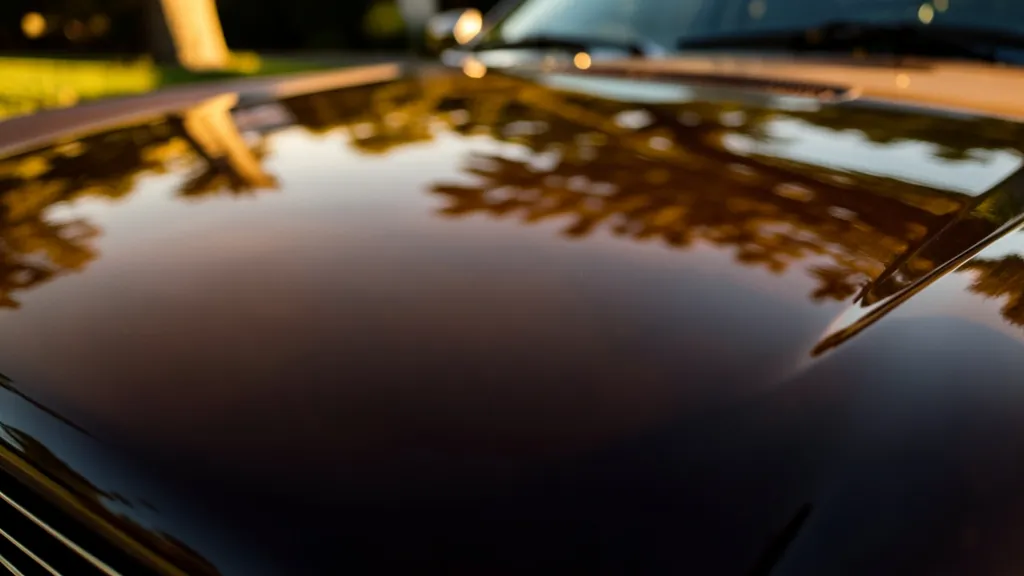
Florida’s relentless sun and road debris demand serious paint protection. We break down Paint Protection Film (PPF) and ceramic coatings—how they shield your ride, where each excels, and which fits Maitland’s climate and driving conditions best.
Why Florida’s Climate Demands More Than Wax
Central Florida’s UV index often hits extreme levels, accelerating paint oxidation and fading. Standard waxes or sealants degrade in weeks, leaving your finish vulnerable.
High humidity and frequent rain also promote water spots and mineral etching. A long-term solution must resist UV, repel contaminants, and maintain gloss under harsh conditions.
What Paint Protection Film (PPF) Actually Does
PPF is a thick, self-healing urethane film applied to high-impact areas like hoods, bumpers, and fenders. It absorbs rock chips, bug splatter, and minor scratches without harming the underlying paint.
Modern PPF includes a hydrophobic top coat that sheds water and resists staining. Some premium films even offer self-healing properties for light swirls when exposed to heat.
For full-frontal protection, we often combine PPF on the front clip with a ceramic coating over the entire vehicle. This hybrid approach maximizes defense against Florida’s sun and road hazards.
How Ceramic Coatings Defend Against UV and Contaminants
Ceramic coatings are liquid polymers that bond with your paint at a molecular level, creating a 9H-hard, hydrophobic layer. They block 99% of UV rays, preventing oxidation and color fade.
Unlike PPF, coatings cover the entire vehicle, enhancing gloss and making maintenance easier. Dirt, bird droppings, and tree sap rinse off with minimal effort, reducing the risk of etching.
PPF vs. Ceramic Coating: Head-to-Head Comparison
Both protect, but they target different threats. PPF excels at physical damage, while ceramic coatings shine in UV resistance and chemical protection.
| Feature | Paint Protection Film (PPF) | Ceramic Coating |
|---|---|---|
| Primary Protection | Physical (rock chips, scratches) | Chemical (UV, contaminants, etching) |
| Thickness | 6-8 mils (thick, impact-absorbing) | 1-3 microns (thin, paint-bonded) |
| Self-Healing | Yes (light scratches with heat) | No (but resists swirls) |
| UV Resistance | Good (varies by film) | Excellent (99% UV block) |
| Hydrophobic | Moderate (with top coat) | High (water beads instantly) |
| Gloss Enhancement | Minimal (matte or satin options) | High (deep, mirror-like shine) |
| Lifespan | 5-10 years | 2-5 years (pro-grade up to 7) |
| Maintenance | Wash with pH-neutral soap; avoid harsh chemicals | Wash with pH-neutral soap; no wax needed |
| Best For | High-impact areas (front bumper, hood, fenders) | Full-vehicle paint, wheels, glass |
Where Each Falls Short in Maitland’s Conditions
PPF can yellow over time under extreme UV, especially cheaper films. It also doesn’t protect the entire vehicle—leaving doors, roofs, and rear panels exposed to sun damage.
Ceramic coatings won’t stop rock chips or deep scratches. They also require meticulous paint correction beforehand; applying over swirls or orange peel locks in imperfections.
Never apply a ceramic coating over uncorrected paint. Imperfections become permanent under the coating’s glossy finish. We always recommend paint correction first for a flawless result.
Cost Factors: What Drives the Price in Ceramic Coating Maitland?
PPF costs more upfront due to material and labor intensity. Full-front PPF (hood, bumper, fenders, mirrors) requires precise cutting and installation, often taking a full day or more.
Ceramic coating prices vary by product tier (consumer-grade vs. pro-grade), vehicle size, and prep work. Paint correction adds time and cost but ensures a mirror finish before coating.
For both, the vehicle’s condition, complexity (e.g., curves, edges), and additional services like wheel or caliper coating influence the final quote. Request a quote for an accurate estimate.
Hybrid Approach: The Best of Both Worlds for Florida Drivers
In Maitland, we often recommend a layered defense: PPF on high-impact zones (front bumper, hood, fenders) paired with a full-vehicle ceramic coating. This combo delivers maximum protection against sun, debris, and contaminants.
The ceramic coating enhances the PPF’s hydrophobic properties and adds UV resistance to areas not covered by film. It’s the ultimate setup for preserving your paint in Florida’s climate.
Maintenance Tips to Extend Lifespan in Florida’s Heat
Wash your vehicle weekly with a pH-neutral car shampoo to remove contaminants before they bond. Avoid automatic car washes with harsh brushes—they can damage PPF edges or degrade ceramic coatings over time.
For PPF, use a dedicated film-safe detailer to restore hydrophobicity. For ceramic coatings, a spray sealant every 6 months can refresh the water-beading effect.
Florida-Specific Care Routine
- Wash weekly with pH-neutral shampoo
- Dry with a microfiber towel to prevent water spots
- Apply a ceramic-boosting spray every 6 months
- Avoid parking under trees (sap, bird droppings)
- Use a UV-protectant for interior surfaces
How to Decide Between PPF and Ceramic Coating in Maitland
Follow these steps to choose the right protection for your vehicle and driving habits.
- 1Assess Your Driving Conditions
Do you frequently drive on highways or in areas with loose gravel? PPF is ideal for physical impact protection. Mostly city driving? A ceramic coating may suffice.
- 2Evaluate Your Paint’s Current State
If your paint has swirls, scratches, or oxidation, start with paint correction. Ceramic coatings amplify imperfections; PPF can hide minor flaws but won’t fix them.
- 3Determine Your Budget and Priorities
PPF is a larger upfront investment but offers long-term physical protection. Ceramic coatings are more affordable for full-vehicle coverage and UV defense.
- 4Consider Longevity and Maintenance
PPF lasts 5-10 years with minimal upkeep. Ceramic coatings require reapplication every 2-5 years but make washing and maintenance easier.
- 5Think About Aesthetics
Want a glossy, showroom finish? Ceramic coatings enhance depth and shine. Prefer a matte or satin look? PPF offers those options, though with less UV resistance.
- 6Consult a Local Expert
For tailored advice, request a quote. We’ll inspect your vehicle, discuss your needs, and recommend the best solution for Maitland’s climate and your lifestyle.
Frequently Asked Questions
Can I apply a ceramic coating over PPF in Ceramic Coating Maitland?
Yes, and we often recommend it. A ceramic coating over PPF enhances hydrophobicity, UV resistance, and ease of cleaning. It also extends the film’s lifespan by protecting its top layer from contaminants.
How often should I reapply ceramic coating in Florida’s sun?
Pro-grade ceramic coatings last 3-5 years in Florida, while consumer-grade may fade in 1-2 years. Regular maintenance (washing, spray sealants) can extend longevity. Request a quote to discuss options.
Does PPF yellow in Florida’s UV, and can it be prevented?
Cheaper PPF films can yellow over time, but high-quality urethane films with UV inhibitors resist discoloration. Pairing PPF with a ceramic coating adds an extra layer of UV protection.
Is paint correction necessary before ceramic coating in Ceramic Coating Maitland?
Absolutely. Ceramic coatings bond to and amplify your paint’s current condition. Skipping correction means locking in swirls, scratches, or orange peel. We always include correction for a flawless finish.
Which is better for a daily driver in Winter Park or Altamonte Springs: PPF or ceramic coating?
For daily drivers, a full-vehicle ceramic coating offers the best value—easy maintenance, UV protection, and a glossy finish. Add PPF to the front clip if you frequently drive on highways or in areas with road debris.
Can ceramic coating protect my wheels and brake calipers in Florida?
Yes. Ceramic coatings for wheels and calipers resist brake dust, road grime, and high temperatures. They make cleaning easier and prevent corrosion, especially important in Florida’s humid, salty environment.