Common Mistakes to Avoid When Applying Ceramic Coatings in Maitland in Ceramic Coating Maitland, FL
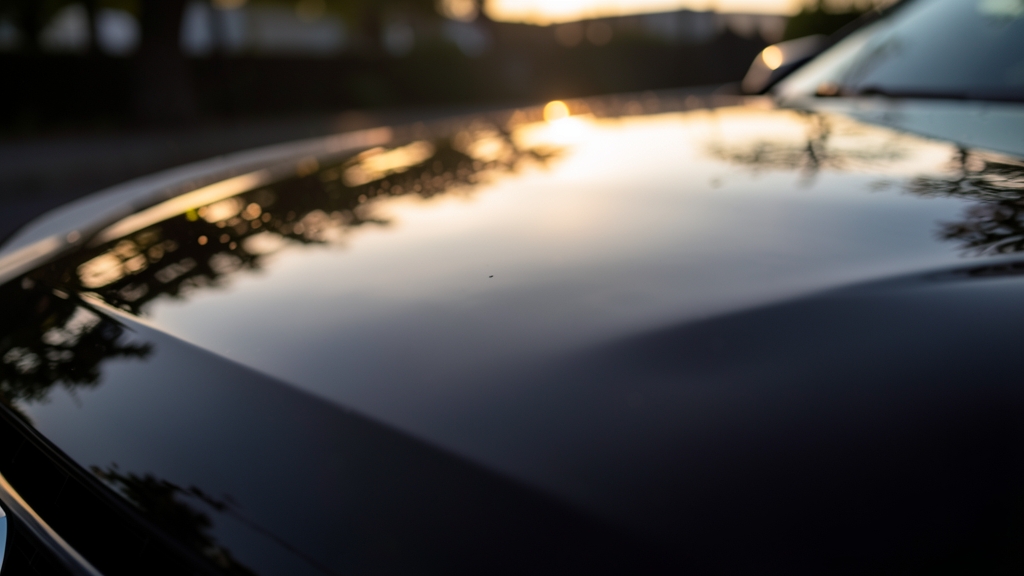
Ceramic coatings deliver unmatched gloss and protection, but even small missteps can ruin the finish or shorten its lifespan. Our team has seen it all—from improper prep to rushed curing—especially under Maitland’s intense sun and humidity. Here’s how to get it right the first time.
Skipping Paint Correction Before Coating
Applying ceramic coating over swirls, oxidation, or water spots locks in imperfections forever. Paint correction and polishing are non-negotiable for a flawless base.
In Maitland’s harsh sun, existing defects worsen faster without correction. Even minor scratches become glaring under direct light once the coating’s gloss amplifies them.
Ceramic coatings won’t hide paint defects—they magnify them. Always correct before protecting.
Ignoring Surface Contamination
Oils, waxes, or silicones left on the surface prevent proper bonding. A thorough decontamination wash and clay bar treatment are mandatory before any coating application.
Maitland’s pollen and road grime demand extra attention. Even invisible residues can cause premature failure or uneven curing.
Using the Wrong Products for Prep
Not all cleaners are equal. Alcohol-based solutions (like 99% IPA) are essential for final wipe-downs to remove any remaining oils or polish residues.
Avoid household cleaners or dish soaps—they leave behind films that sabotage adhesion. Pro-grade prep sprays ensure a pristine surface for the coating to bond.
Applying in Uncontrolled Environments
Temperature and humidity directly impact curing. Ideal conditions are 60–80°F with 40–60% humidity. Maitland’s summer heat and humidity can accelerate or disrupt the process.
Direct sunlight or rain during application can cause streaking, uneven layers, or poor cross-linking. Always work in a climate-controlled space when possible.
Rushing the Application Process
Ceramic coatings require patience. Applying too much product or working too quickly leads to high spots, streaks, or wasted material.
Each panel should be coated in small sections, with time allowed for the product to flash before buffing off excess. Precision matters more than speed.
Ceramic Coating vs. Wax or Sealant: Know the Difference
Many confuse ceramic coatings with traditional waxes or sealants. Unlike waxes, which last weeks, ceramic coatings chemically bond to the paint for years of protection.
Waxes and sealants offer temporary shine and minimal UV protection. Ceramic coatings provide a harder, hydrophobic layer that resists scratches, chemicals, and UV damage far longer.
| Feature | Ceramic Coating | Wax | Sealant |
|---|---|---|---|
| Durability | 2–5+ years | 4–8 weeks | 4–6 months |
| UV Protection | High | Low | Moderate |
| Hydrophobic Properties | Extreme | Moderate | Moderate |
| Scratch Resistance | Moderate | None | Minimal |
| Application Difficulty | High (pro recommended) | Low | Low |
Neglecting Post-Application Care
Even after application, improper care can shorten the coating’s life. Avoid washing the vehicle for 7–14 days to allow full curing.
Use pH-neutral car shampoos and microfiber wash mitts to prevent introducing swirls. Harsh chemicals or automatic car washes can degrade the coating prematurely.
Post-Coating Care Essentials
- Wait 7–14 days before first wash
- Use pH-neutral shampoo only
- Hand wash with microfiber mitts
- Avoid automatic car washes with brushes
- Dry with a clean microfiber towel
Overlooking Wheel and Trim Protection
Wheels and trim endure heavy abuse from brake dust, road salt, and UV exposure. A dedicated wheel and brake caliper ceramic coating adds critical protection.
In Maitland, where brake dust accumulates quickly, unprotected wheels can corrode or stain. Coating them preserves finish and simplifies cleaning.
Combine wheel ceramic coating with Paint Protection Film on high-impact areas for maximum defense against road debris.
How to Prep Your Car for a Ceramic Coating
Proper prep is 90% of a successful ceramic coating application.
- 1Deep Clean the Vehicle
Start with a thorough two-bucket wash using a high-quality car shampoo to remove surface dirt and grime.
- 2Decontaminate the Paint
Use a clay bar and lubricant to pull embedded contaminants like tar, industrial fallout, or iron particles from the paint.
- 3Perform Paint Correction
Use a dual-action polisher and appropriate compounds to remove swirls, scratches, and oxidation. Inspect under direct light.
- 4Final IPA Wipe-Down
Clean the surface with a 99% isopropyl alcohol solution to remove any remaining oils or residues. Use a lint-free microfiber towel.
- 5Inspect for Imperfections
Check the paint under multiple light sources to ensure no defects remain. Re-polish if necessary.
- 6Control the Environment
Ensure the workspace is dust-free, with stable temperature and humidity within the recommended ranges for the coating product.
Frequently Asked Questions
How long does a ceramic coating last in Maitland’s climate?
With proper prep and care, a professional-grade ceramic coating can last 2–5 years or more in Maitland. The intense UV exposure and humidity can slightly reduce longevity, but regular maintenance extends it. Request a quote to discuss options tailored to your vehicle.
Can I apply a ceramic coating myself?
While DIY kits exist, ceramic coatings require precision, the right tools, and controlled conditions. Mistakes like improper prep or uneven application can lead to costly fixes. For Maitland drivers, professional application ensures optimal results and durability.
What’s the difference between ceramic coating and Paint Protection Film (PPF)?
Ceramic coatings add a hydrophobic, protective layer to paint, enhancing gloss and resistance to contaminants. PPF is a physical, self-healing film that shields against rock chips and scratches. Many Maitland clients combine both for ultimate protection.
Do ceramic coatings prevent all scratches and swirls?
Ceramic coatings provide moderate scratch resistance but won’t prevent all damage, especially from heavy impacts or improper washing. They’re best paired with careful maintenance and, for high-risk areas, PPF.
How do I maintain my ceramic coating in Florida’s sun?
Regular washing with pH-neutral shampoo, avoiding automatic car washes, and using ceramic-boosting detail sprays every few months helps maintain hydrophobicity. Park in shaded areas or use a car cover to minimize UV exposure in Maitland.
Is ceramic coating worth it for older cars in Maitland?
Absolutely, if the paint is in good condition after correction. Ceramic coatings can rejuvenate older vehicles by restoring gloss and protecting the finish from further damage. Request a quote to assess your car’s suitability.