Ceramic Coating Toppers vs. Reapplication: What’s Best for Your Ride in Ceramic Coating Maitland
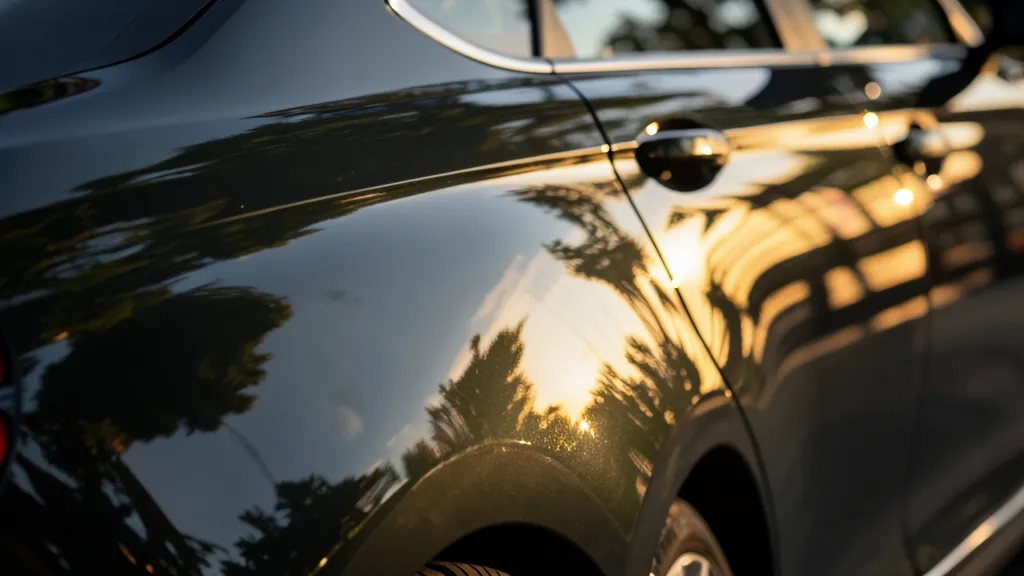
Ceramic coatings don’t last forever, especially under Florida’s relentless sun and humidity. When your vehicle’s protection starts to fade, you’ve got two options: refresh with a topper or commit to a full reapplication. We break down which approach suits your needs and budget in Maitland’s climate.
Why Ceramic Coatings Fade in Central Florida
Maitland’s intense UV exposure and high humidity accelerate ceramic coating degradation. The hydrophobic layer weakens first, reducing beading and self-cleaning properties.
Road grime, bird droppings, and mineral deposits from frequent rain also etch the surface over time. Even the best coatings lose 30-50% of their effectiveness after 2-3 years here.
Oxidation from Florida’s heat breaks down the SiO2 or graphene matrix. Without maintenance, your paint’s gloss and protection diminish faster than in cooler climates.
Once you notice water spots or dullness, the coating’s already compromised. Early intervention saves your paint from permanent etching.
What Are Ceramic Coating Toppers?
Toppers are maintenance sprays or light ceramic boosters designed to refresh the hydrophobic layer. They contain SiO2 or TiO2 to rejuvenate beading and gloss without full prep work.
Applied every 6-12 months, they extend your coating’s life by 1-2 years. Ideal for vehicles where the base layer is still intact but losing performance.
They’re quick—often under an hour—and require minimal surface prep. Perfect for busy drivers in Winter Park or Altamonte Springs who want to maintain protection between full services.
When to Choose Full Reapplication
If your coating’s failed in multiple areas or the paint shows oxidation, a topper won’t cut it. Full reapplication starts with paint correction to remove defects before layering a new ceramic coating.
This process restores 100% of the protective and aesthetic benefits. It’s labor-intensive but necessary for heavily contaminated or aged coatings, common after 3-5 years in Florida’s climate.
Drivers in Eatonville or Casselberry with high-mileage vehicles often opt for this to address deep scratches or swirls before they worsen.
Signs You Need Full Reapplication
- Water no longer beads uniformly across the surface
- Visible oxidation or dullness in the clear coat
- Swirl marks or scratches that won’t buff out
- Coating peeling or flaking in spots
Toppers vs. Reapplication: Cost and Effort Compared
Toppers are the budget-friendly, low-effort choice. They require no paint correction and can be applied in a single visit. Ideal for maintaining a coating that’s still mostly intact.
Full reapplication involves paint correction, thorough decontamination, and multiple coating layers. It’s a multi-day process but delivers long-term protection and a showroom finish.
| Factor | Ceramic Toppers | Full Reapplication |
|---|---|---|
| Duration of Protection | 6-12 months | 3-5+ years |
| Prep Work Required | Light cleaning | Paint correction, decontamination |
| Application Time | Under 1 hour | 1-3 days |
| Gloss Restoration | Minor boost | Full restoration |
| Cost Factors | Product quality, vehicle size | Paint condition, coating tiers, layers |
| Ideal For | Maintenance, minor fading | Severe degradation, full restoration |
How Florida’s Climate Affects Your Choice
Maitland’s humidity and frequent rain mean your coating faces constant contamination. Toppers help maintain hydrophobicity between deep cleans, but they won’t fix underlying issues like water spots or etching.
For vehicles parked outside in Fern Park or near the lakes, full reapplication every 2-3 years is often worth the investment to combat UV damage and pollution.
If you garage your car and wash it regularly, toppers may suffice for longer. But even indoor vehicles need occasional boosts to maintain that mirror-like finish.
After a topper application, avoid car washes with harsh brushes for at least 48 hours. Use pH-neutral soaps to preserve the fresh layer.
Pairing Toppers with Other Protective Services
Toppers work best when combined with other protective measures. For example, adding ceramic window tint in Maitland reduces UV exposure inside the cabin, while PPF on high-impact areas prevents chips that coatings can’t stop.
Wheel and brake caliper ceramic coatings also benefit from toppers, especially for drivers in Altamonte Springs who frequently navigate dusty roads or construction zones.
Interior ceramic protection sprays can be applied alongside exterior toppers for a full-vehicle refresh. This is popular among fleet owners in Casselberry looking to maintain resale value.
DIY Toppers vs. Professional Application
Consumer-grade toppers are available, but professional application ensures even coverage and bonding. DIY attempts often miss spots or leave streaks, especially on curved panels.
Our team uses commercial-grade toppers with higher SiO2 concentrations for longer-lasting results. We also inspect your coating’s condition first to confirm a topper is the right choice.
For drivers in Winter Park or Eatonville who prefer hands-on care, we offer guidance on proper techniques—but we always recommend leaving full reapplication to the pros.
How to Decide Between a Topper and Full Reapplication
Follow these steps to determine the best path for your vehicle’s ceramic coating.
- 1Assess Your Coating’s Condition
Check for uniform water beading and gloss. If most of the surface still repels water and looks vibrant, a topper may suffice.
- 2Inspect for Damage
Look for oxidation, swirl marks, or peeling. If these are present, full reapplication with paint correction is likely necessary.
- 3Consider Your Vehicle’s Exposure
Vehicles parked outside daily in Maitland’s sun or near construction zones may need more frequent full reapplication. Garage-kept cars can often get by with toppers.
- 4Evaluate Your Budget and Time
Toppers are quicker and more affordable for short-term maintenance. Full reapplication is an investment but offers long-term protection and restoration.
- 5Consult a Professional
Our team can perform a thorough inspection and recommend the best option based on your coating’s age, condition, and your driving habits.
Frequently Asked Questions
How often should I apply a ceramic coating topper in Maitland’s climate?
For most drivers, a topper every 6-12 months keeps the hydrophobic layer strong. If you notice water beading weakening sooner, don’t wait—schedule a refresh. Florida’s UV and humidity demand more frequent attention than in northern states.
Can a topper fix scratches or swirl marks in my ceramic coating?
No, toppers only refresh the hydrophobic and gloss-enhancing properties. They won’t repair scratches, swirls, or deep etching. For those issues, you’ll need paint correction followed by full reapplication.
Is full reapplication worth it for an older car in Ceramic Coating Maitland?
If your paint is in good condition beneath the fading coating, reapplication can restore its appearance and protection, adding value. For heavily damaged paint, weigh the cost against the car’s worth—sometimes a quality topper and regular maintenance are the smarter choice.
Do toppers work on PPF or vinyl wraps?
Yes, ceramic toppers can be applied over PPF or vinyl to enhance gloss and hydrophobicity. However, always confirm compatibility with your installer, as some films have specific care requirements. This is common for vehicles in Altamonte Springs with PPF on high-impact areas.
What’s the difference between a topper and a ceramic spray sealant?
Toppers are designed specifically to bond with existing ceramic coatings, refreshing their properties. Spray sealants are standalone products that add a temporary protective layer but don’t chemically integrate with your coating. For long-term results, toppers are the better choice.
How do I know if my ceramic coating needs a topper or full reapplication in Ceramic Coating Maitland?
Perform a water test: spray water on the surface. If it beads uniformly and sheets off, a topper may be enough. If water pools or absorbs, or if you see dull spots, it’s time for full reapplication. Our team can confirm with a professional inspection.